Small Account Options Trading: How to Make $200 Weekly

In this guide
- Introduction: Growing Small Trading Accounts the Smart Way
- Why QQQ ETF is Perfect for Small Account Trading
- The Power of Diversification
- The Traditional Cash-Secured Put Problem
- The Game-Changing Put Credit Spread Strategy
- What is a Put Credit Spread?
- Step-by-Step Strategy Execution
- The Numbers That Will Shock You
- Traditional Cash-Secured Put:
- Put Credit Spread:
- Risk Management: Your Safety Net
- Maximum Loss is Always Capped
- Implied Volatility Considerations
- When This Strategy Works Best
- Market Conditions for Success
- Scaling Your Success: The Compounding Effect
- Monthly Profit Potential
- Common Mistakes to Avoid
- 1. Wrong Delta Selection
- 2. Poor Timing
- 3. Position Sizing Errors
- Advanced Tips for Optimization
- Premium Enhancement Strategies
- Position Management
- Real-World Example Walkthrough
- Building Your Trading Plan
- Weekly Routine
- Record Keeping
- Frequently Asked Questions
- Can I Use This Strategy with Individual Stocks?
- What if I Get Assigned?
- How Much Capital Do I Need to Start?
- Conclusion: Your Path to Consistent Weekly Income
Learn the exact put credit spread strategy that can generate consistent weekly income even with limited capital
Introduction: Growing Small Trading Accounts the Smart Way
Are you tired of watching your small trading account grow at a snail’s pace? What if I told you there’s a proven options strategy that could help you generate $200-$300 every single week, even with limited capital?
In this comprehensive guide, I’ll walk you through the exact small account options trading strategy that transforms the traditional cash-secured put approach into a capital-efficient powerhouse. This isn’t about risky gambling – it’s about using smart position sizing and risk management to build wealth consistently.
Why QQQ ETF is Perfect for Small Account Trading
The Power of Diversification
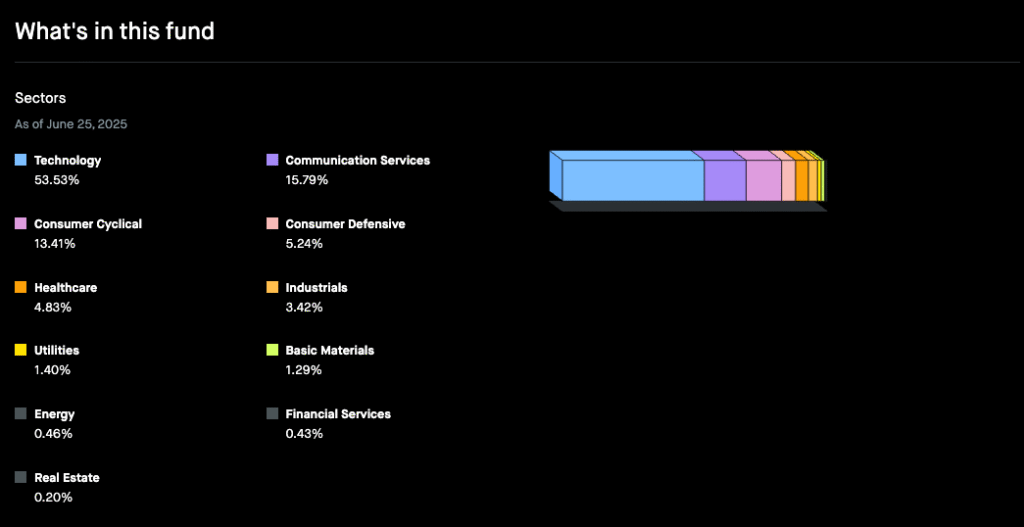
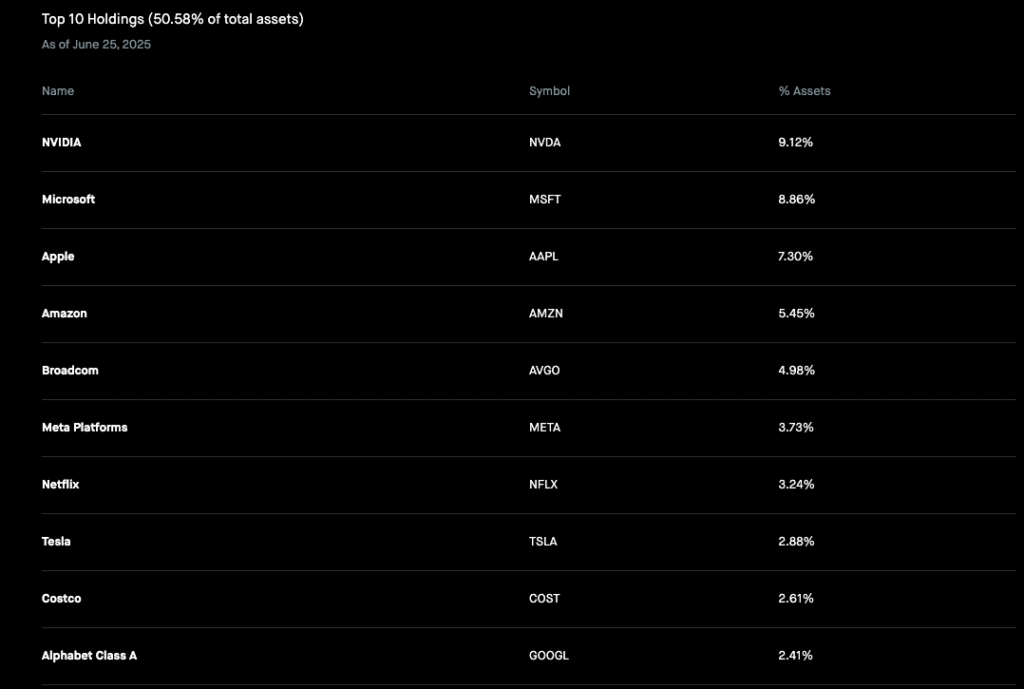
The foundation of this strategy centers around the QQQ ETF, which tracks the NASDAQ 100. Here’s why this makes perfect sense for small accounts:
- Instant diversification across major technology companies
- Daily options availability for maximum flexibility
- Lower implied volatility compared to individual stocks (reducing extreme price swings)
- Top holdings include Apple, Microsoft, Amazon, and other tech giants
When you trade QQQ options, you’re essentially getting exposure to the entire tech sector without the individual stock risk that could wipe out a small account overnight.
The Traditional Cash-Secured Put Problem
Before diving into our solution, let’s understand why traditional strategies don’t work for small accounts.
If you wanted to sell a cash-secured put on QQQ at a $370 strike price, you’d need approximately $37,000 in your account as collateral. That’s because you need to have enough cash to purchase 100 shares if assigned.
For most small account traders, this capital requirement makes the strategy completely inaccessible. But here’s where our approach changes everything.
The Game-Changing Put Credit Spread Strategy
What is a Put Credit Spread?
A put credit spread involves two simultaneous actions:
- Selling a put option at a higher strike price (collecting premium)
- Buying a put option at a lower strike price (limiting maximum loss)
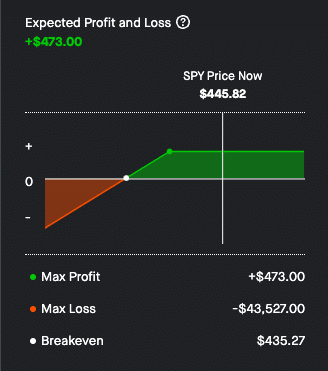
This combination dramatically reduces your capital requirement while capping your maximum risk.
[Suggested Image: Diagram showing put credit spread structure with strike prices and profit/loss zones]
Step-by-Step Strategy Execution
Step 1: Select Your Expiration Date
- Choose weekly options for optimal balance
- Avoid daily expirations (too much management required)
- Weekly contracts provide sufficient time decay while limiting exposure
Step 2: Choose Your Strike Price Using Delta
The most critical factor in strike selection is the delta value. Here’s what you need to know:
- Target a delta around 30
- 30 delta means only a 30% probability of expiring in-the-money
- This gives you a 70% chance of keeping the full premium
For example, if QQQ is trading around $375, a $369 strike might have a delta close to 30, making it ideal for our strategy.
Step 3: Buy Protection Below
After selling your put, buy a put option approximately 3 points lower:
- If you sold the $369 put, buy the $366 put
- This creates your spread and caps maximum loss
- Going too close reduces premium; going too far increases risk
The Numbers That Will Shock You
Let’s compare the capital requirements:
Traditional Cash-Secured Put:
- Capital Required: $37,000
- Premium Collected: ~$70
- Return on Investment: 0.19%
Put Credit Spread:
- Capital Required: $250
- Premium Collected: ~$67
- Return on Investment: 26.8%
The difference is staggering. You’re getting nearly the same premium income with 148 times less capital required!

Risk Management: Your Safety Net
Maximum Loss is Always Capped
Unlike naked put selling, your maximum loss is limited to: Maximum Loss = (Strike Price Difference – Premium Received)
In our example:
- Strike difference: $369 – $366 = $300
- Premium received: $67
- Maximum loss: $233
This capped risk is crucial for small accounts because it prevents catastrophic losses that could wipe out months of progress.
Implied Volatility Considerations
For QQQ, implied volatility typically ranges between 15-25%. While this is lower than individual stocks, it’s sufficient for our strategy because:
- Lower volatility means more predictable price movements
- Reduced chance of extreme moves against your position
- More consistent premium collection opportunities
When This Strategy Works Best
Market Conditions for Success
This put credit spread strategy thrives in:
- Neutral markets with sideways movement
- Mild uptrending markets
- Consolidation phases
The strategy struggles during:
- Sharp market downturns
- High volatility periods
- Strong trending moves below your strike
Scaling Your Success: The Compounding Effect
Monthly Profit Potential
With consistent execution, here’s what’s possible:
- Weekly profit: $67
- Monthly profit: ~$268 (4 weeks)
- Annual potential: $3,484
But here’s where it gets exciting – as your account grows, you can increase position size:
Month 1: 1 contract = $268 profit
Month 6: 2 contracts = $536 profit
Month 12: 4 contracts = $1,072 profit
[Suggested Image: Compound growth chart showing account progression over 12 months]
Common Mistakes to Avoid
1. Wrong Delta Selection
- Don’t go too aggressive with delta >40
- Avoid being too conservative with delta <20
2. Poor Timing
- Don’t trade during high-stress market events
- Avoid earnings weeks for ETFs
3. Position Sizing Errors
- Never risk more than 2-3% of account per trade
- Don’t increase size too quickly
Advanced Tips for Optimization
Premium Enhancement Strategies
- Time your entries when IV is elevated
- Roll positions before expiration if profitable
- Use limit orders to improve fill prices
Position Management
- Close positions at 50% max profit when possible
- Don’t hold until expiration unless necessary
- Have a plan for assignment scenarios
Real-World Example Walkthrough
Let’s walk through a complete trade. If you are comfortable more on showing me this trade in a video format then I recommend you this video where I show this trade setup :
Setup:
- QQQ trading at $375
- Sell $369 put (30 delta)
- Buy $366 put
- Premium collected: $67
- Capital required: $250
Outcome Scenarios:
Scenario 1 (70% probability): QQQ closes above $369
- Result: Keep full $67 premium
- ROI: 26.8%
Scenario 2: QQQ closes between $366-$369
- Result: Partial loss, but less than max
- Management: Close position or roll to next week
Scenario 3 (Low probability): QQQ closes below $366
- Result: Maximum loss of $233
- Learning: Adjust strategy or wait for better market conditions
Building Your Trading Plan
Weekly Routine
- Monday: Analyze market conditions and IV levels
- Tuesday: Enter new positions if conditions align
- Wednesday-Thursday: Monitor positions, plan adjustments
- Friday: Close profitable positions, prepare for next week
Record Keeping
Track every trade with:
- Entry and exit dates
- Strike prices and premiums
- Market conditions
- Lessons learned
Frequently Asked Questions
Can I Use This Strategy with Individual Stocks?
Yes, but look for stocks with higher implied volatility (20-30%) to collect better premiums. The same delta principles apply.
What if I Get Assigned?
Assignment means you’ll own 100 shares of QQQ at your strike price. You can either hold the shares or sell them immediately, depending on your outlook.
How Much Capital Do I Need to Start?
While each spread requires about $250, I recommend starting with at least $2,500 to manage 2-3 positions safely while maintaining proper risk management.
Conclusion: Your Path to Consistent Weekly Income
This small account options trading strategy offers something rare in the trading world: a systematic approach to generating consistent income with capped risk. By using QQQ put credit spreads with proper delta selection and risk management, you can potentially earn $200-$300 weekly while building your account steadily.
Remember, success in options trading comes from consistency, proper risk management, and continuous learning. Start small, master the basics, and gradually scale your positions as your account and confidence grow.
The beauty of this strategy lies not just in its profit potential, but in its accessibility to traders with limited capital. You’re no longer locked out of income-generating strategies due to high capital requirements.